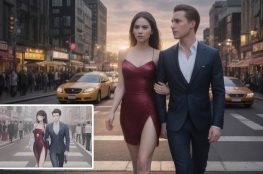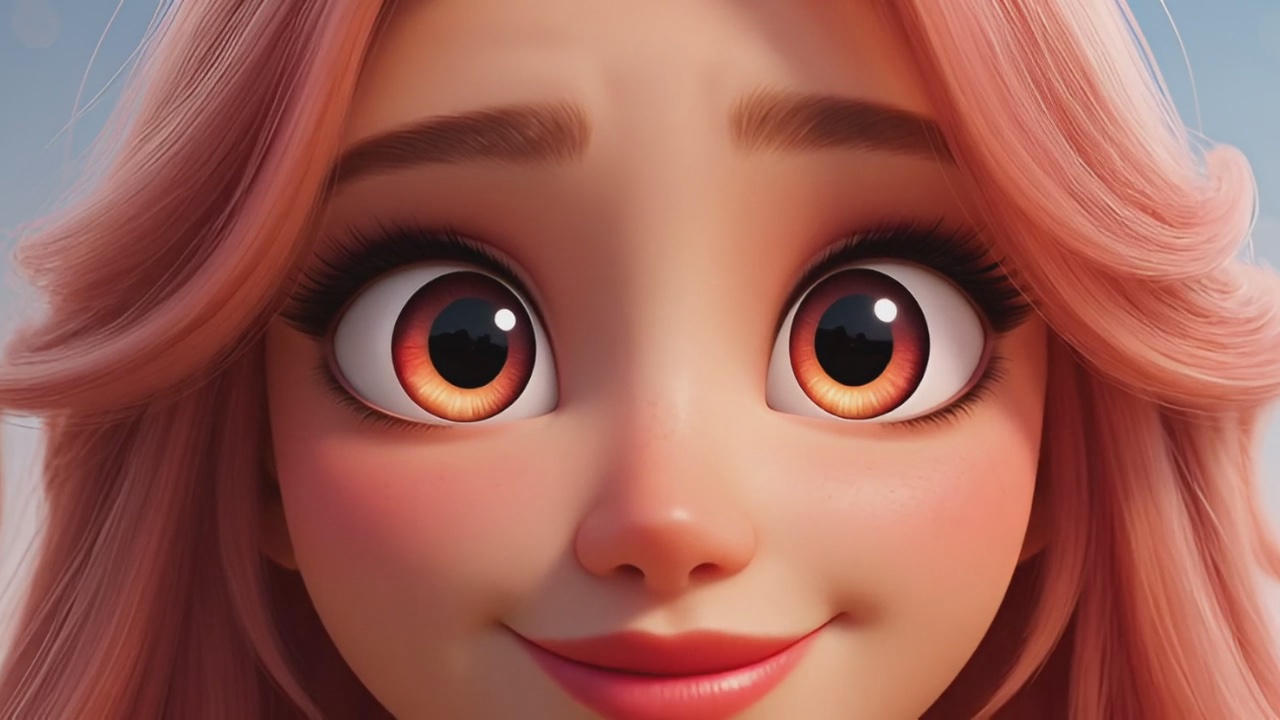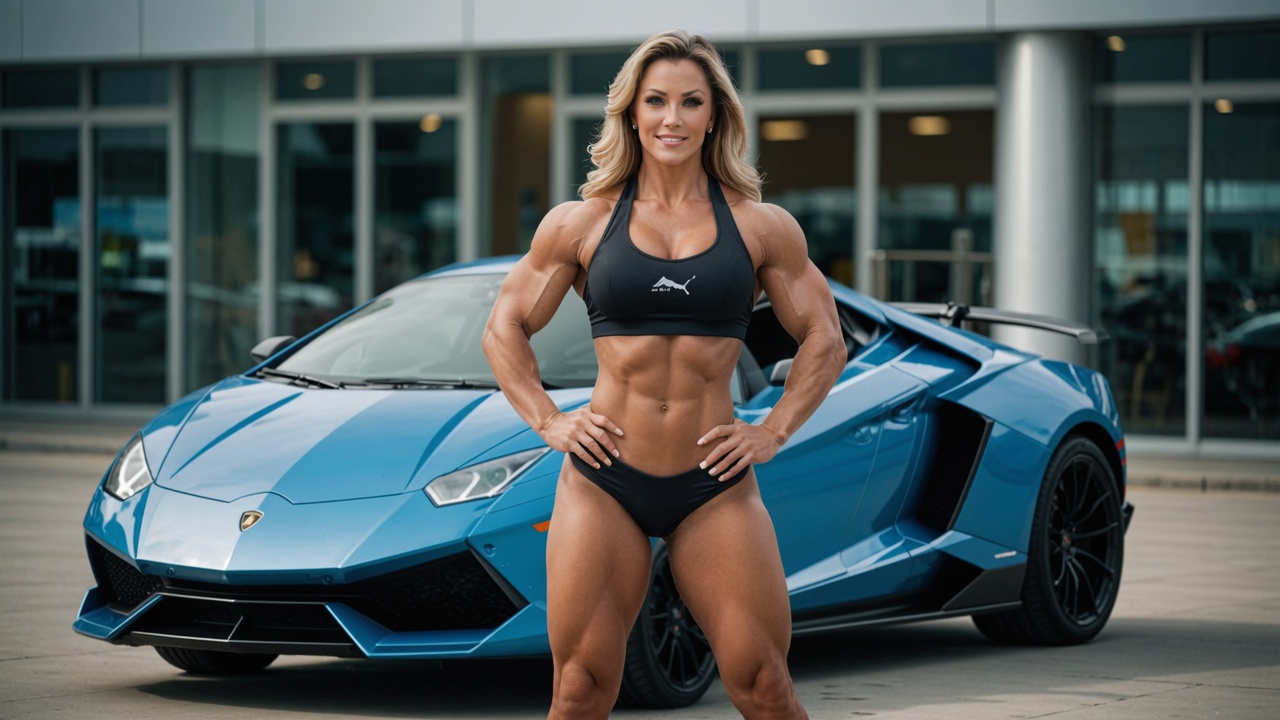
With the increase in AI video generators and the high costs for compute for small or indie creators, there is a drop in new published AI clips with substance. Most are just demos of what the latest models can do and even those posts are duplicated across the community. The other issue is censorship, not only does the limit the type of generations, but it greatly curves the artistic vision, especially when even using reference images.
Many think AI uses copyright material on the internet, but that is not the whole truth. Original works and ideas can be created into new visions and even visions controlled by the user. Admittedly, the model training can originate from those works, but like any student studying and learning from someone or historical references, there is bound to be overlap.
I don’t think AI video itself is in decline. What appears to be declining is the value of generic AI video.
Three things seem to be happening simultaneously:
1. AI video is no longer novel
In 2023–2024, people would stop scrolling just because they saw an AI-generated dragon, cinematic scene, or talking character.
In 2026, viewers have seen millions of them.
The same thing happened with:
- CGI effects on YouTube
- Drone footage
- Time-lapses
- Deepfakes
The technology became normal, so the content itself must be interesting. Audience fatigue around repetitive AI content is being widely discussed by creators and marketers.
2. Oversupply destroyed scarcity
A single creator used to produce:
- 1 video per week
- 1 image per day
Now AI allows:
- 20 videos per day
- Hundreds of images per day
The problem is that every other creator can do the same thing.
Many creators are discovering that producing 10× more content does not automatically produce 10× more followers because attention remains limited. Community discussions frequently point to oversaturation as the core issue rather than lack of tools.
3. Viewers increasingly want personality
A video generated entirely by AI may be technically impressive.
But viewers tend to follow:
- people
- stories
- personalities
- communities
They don’t usually become loyal fans of random AI clips.
For example, many viewers follow creators such as MrBeast not because of the editing effects, but because of the creator’s personality, challenges, decisions, and ongoing story. Reports and industry commentary increasingly point to trust and authenticity as advantages for human-centered creators.
4. X.com is a difficult platform for fan-building
X is excellent for:
- news
- discussions
- memes
- short-form reactions
It has historically been less effective for building deep fan communities around video content than platforms such as:
- YouTube
- TikTok
Recent algorithm and monetization changes have also made reach less predictable for many creators, creating complaints about engagement drops and shifting discovery patterns.
Why many medium and small AI creators struggle
The typical pattern looks like:
- Creator generates impressive AI videos.
- Videos get some viral views.
- Followers arrive.
- Followers realize every video feels similar.
- Engagement drops.
- Audience moves on.
The issue is often not AI itself. It is that the audience cannot identify a unique voice, perspective, or ongoing narrative behind the content. Reddit discussions repeatedly describe fatigue with content that feels interchangeable or emotionally detached.
What seems to be working now
The strongest creators increasingly use AI as a tool rather than the product:
- Human storyteller + AI visuals
- Real personality + AI effects
- Real commentary + AI animation
- Real expertise + AI production assistance
That hybrid approach appears more resilient because viewers become fans of the creator, not just the software. Industry analysis suggests the future is likely a blend of AI scale and human authenticity rather than pure AI-generated content.
So my assessment is not that AI video is dying. Rather, AI video is undergoing the same transition photography, CGI, and digital art went through: once everyone can do it, the technology stops being the attraction. The creator, story, humor, expertise, or personality becomes the attraction.